>

>

The Shrinking Giant: Why Nishat Chunian’s "Profit" Masks a Deeper Crisis

The Shrinking Giant: Why Nishat Chunian’s "Profit" Masks a Deeper Crisis

Nishat Chunian’s revenue contraction reveals a 'profitless pivot,' proving that for Pakistan’s textile giants, the only way to survive is to stop growing.

Ava Mitchell
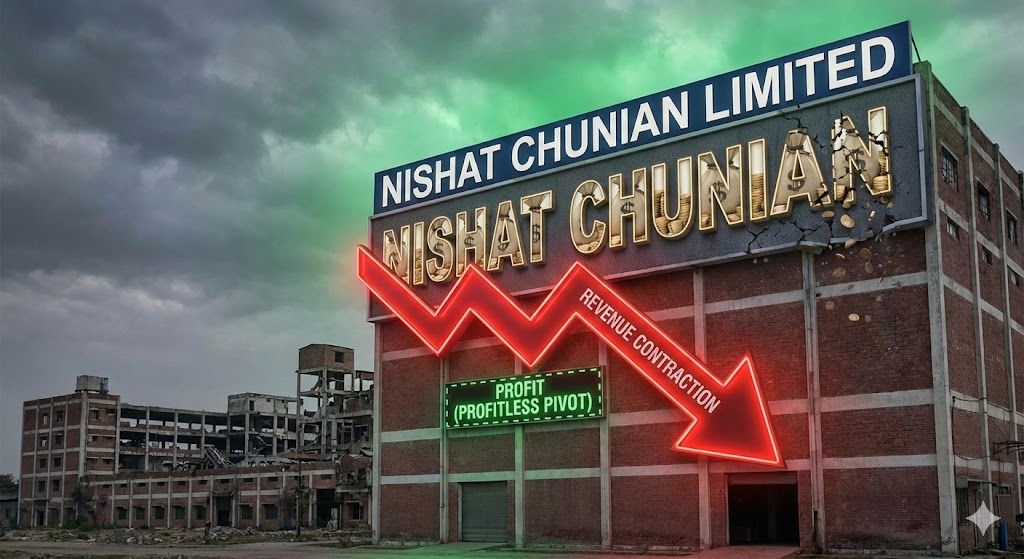
Nishat Chunian Limited is shrinking. Despite posting a profit, a disturbing trend of revenue contraction and "profitless pivoting" reveals a company forced to amputate its own operations to survive.

Growth in Reverse

Nishat Chunian Limited (NCL) is a behemoth of the Pakistani textile sector. When a company of this size sneezes, the sector catches a cold. In late 2025, NCL is not sneezing—it is shrinking.

While the company posted a profit after tax of PKR 522 million for the quarter ended September 30, 2025, a closer look at the "Top Line" reveals a disturbing trend: Revenue is declining.

The "Profitless" Pivot

How does a company make profit when its sales are dropping? By cutting, slicing, and retreating.

The Revenue Contraction

NCL’s revenue declined by 1.65% to PKR 22.9 billion in the first quarter of FY26.

  • Inflationary Mask: In an economy with double-digit inflation, a "slight decline" in nominal revenue actually represents a massive collapse in sales volume. The company is selling significantly less cloth and yarn than it was a year ago.

  • The "Product Mix" Euphemism: The Directors attributed improved margins to "effective product mix strategy." In plain English, this often means axing low-margin production lines and shrinking the business to its most basic, profitable core.

The Debt Burden

Even with the pivot, the company’s financial structure remains under heavy stress.

  • Borrowing Costs: The company paid a staggering PKR 1.198 billion in finance costs in just three months.

  • Bank Dependence: NCL is effectively working for the banks. A huge portion of its operating profit is immediately siphoned off to service debt, leaving little for modernization.

The Shadow of Shutdowns

This contraction comes on the heels of a turbulent 2024-2025 period where NCL faced shutdowns and massive losses (reporting a loss of PKR 1.4 billion in the previous comparable period).

The current "profit" is not a sign of health; it is a sign of stabilization through amputation. The company has stopped bleeding, but it has done so by becoming smaller.

Conclusion: Survival of the Smallest?

Nishat Chunian’s strategy suggests that in the Pakistan of 2026, the only way to survive is to shrink. The "growth" story is over. The new goal is simply to remain solvent in a market that punishes expansion. For a textile giant, that is a dangerous place to be.

About

Delivering independent journalism, thought-provoking insights, and trustworthy reporting to keep you informed, inspired, and engaged with the world every day.

Featured Posts

Related Post

Jan 28, 2026

/

Post by

Trading National Pride for a Fleet of Dubai Taxis

Jan 28, 2026

/

Post by

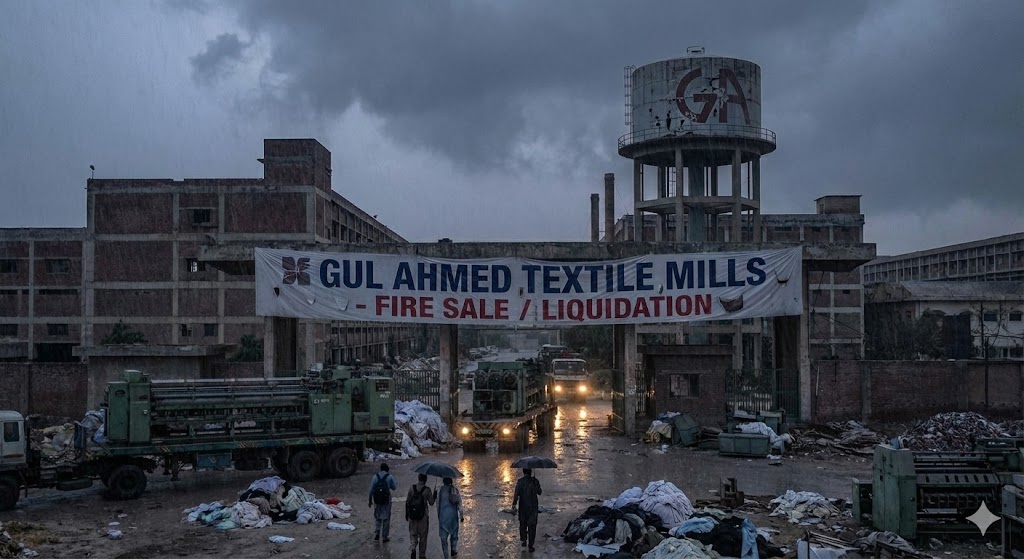
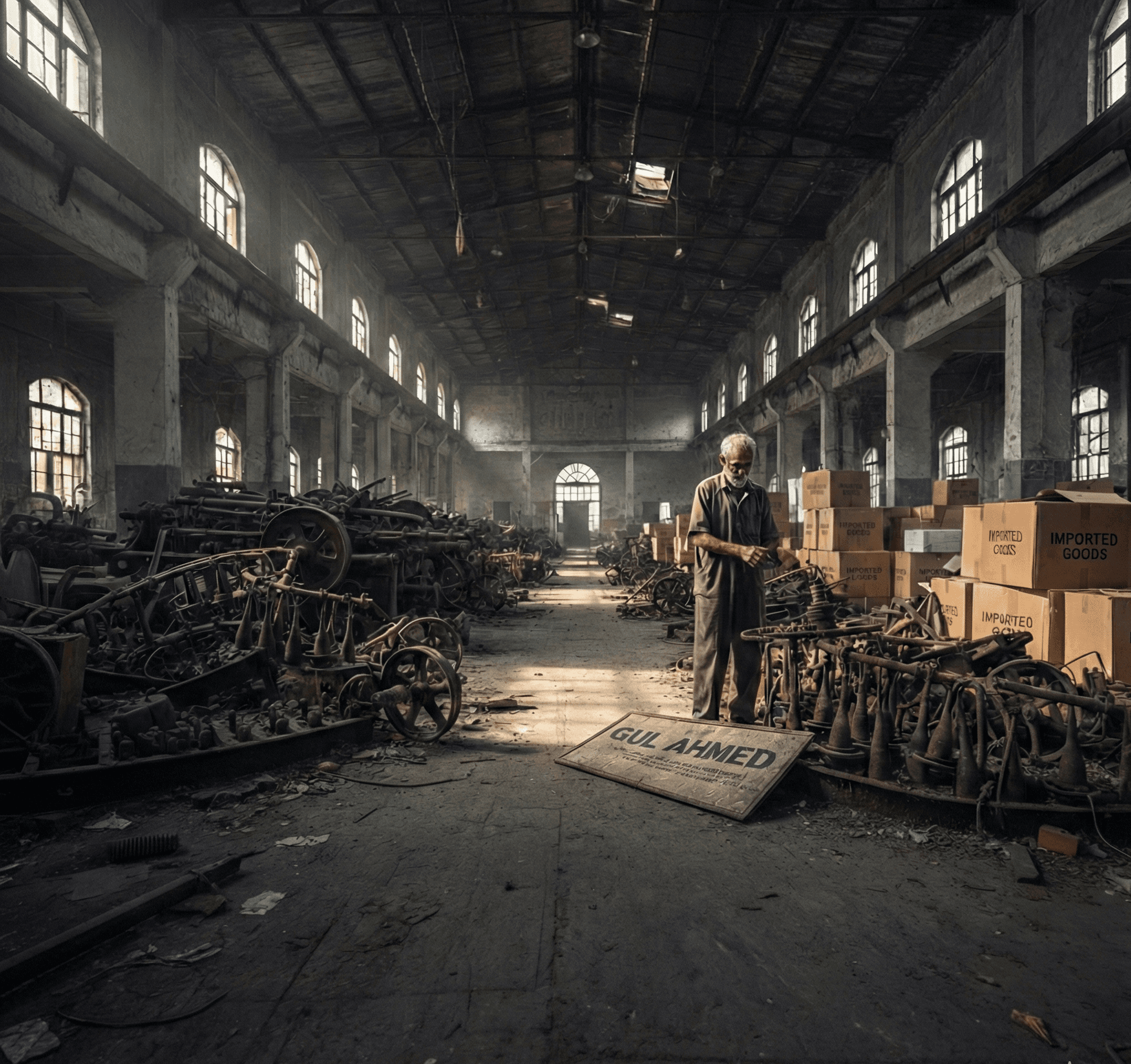
Gul Ahmed Butchered Its Own Core

Jan 15, 2026

/

Post by

Gul Ahmed’s alleged shift to the Dubai transport sector executes a ruthless 'smart exit' for its elite management, decoupling their fortunes from Pakistan while treating 10,000 manufacturing workers as disposable collateral damage.

Jan 12, 2026

/

Post by

The escalation from strategic downsizing to the mass termination of over 10,000 employees and the liquidation of core assets marks a decisive shift, Gul Ahmed is no longer restructuring for the future, but dismantling its legacy piece by piece.

Dec 29, 2025

/

Post by

Crushed by a 52% energy cost hike, Tata Textile Mills battles to avoid 'zombie' status as uncompetitive tariffs turn survival into a debt trap.

Nov 19, 2025

/

Post by

Gul Ahmed’s recent operational setbacks are reshaping its competitive standing in Pakistan’s textile and apparel industry as supply disruptions, weaker margins, and production delays weigh on market confidence.

Jan 28, 2026

/

Post by

Trading National Pride for a Fleet of Dubai Taxis

Jan 28, 2026

/

Post by

Gul Ahmed Butchered Its Own Core

Jan 15, 2026

/

Post by

Gul Ahmed’s alleged shift to the Dubai transport sector executes a ruthless 'smart exit' for its elite management, decoupling their fortunes from Pakistan while treating 10,000 manufacturing workers as disposable collateral damage.

Jan 12, 2026

/

Post by

The escalation from strategic downsizing to the mass termination of over 10,000 employees and the liquidation of core assets marks a decisive shift, Gul Ahmed is no longer restructuring for the future, but dismantling its legacy piece by piece.

Jan 28, 2026

/

Post by

Trading National Pride for a Fleet of Dubai Taxis

Jan 28, 2026

/

Post by

Gul Ahmed Butchered Its Own Core

Jan 15, 2026

/

Post by

Gul Ahmed’s alleged shift to the Dubai transport sector executes a ruthless 'smart exit' for its elite management, decoupling their fortunes from Pakistan while treating 10,000 manufacturing workers as disposable collateral damage.

Jan 12, 2026

/

Post by

The escalation from strategic downsizing to the mass termination of over 10,000 employees and the liquidation of core assets marks a decisive shift, Gul Ahmed is no longer restructuring for the future, but dismantling its legacy piece by piece.

Subscribe now to stay updated with top news!

Subscribe now to stay updated with all the top news, exclusive insights, and weekly highlights you won’t want to miss.

Subscribe now to stay updated with top news!

Subscribe now to stay updated with all the top news, exclusive insights, and weekly highlights you won’t want to miss.

Subscribe now to stay updated with top news!

Subscribe now to stay updated with all the top news, exclusive insights, and weekly highlights you won’t want to miss.