From Spinning Wheels to Steering Wheels: The Great Dubai Detour
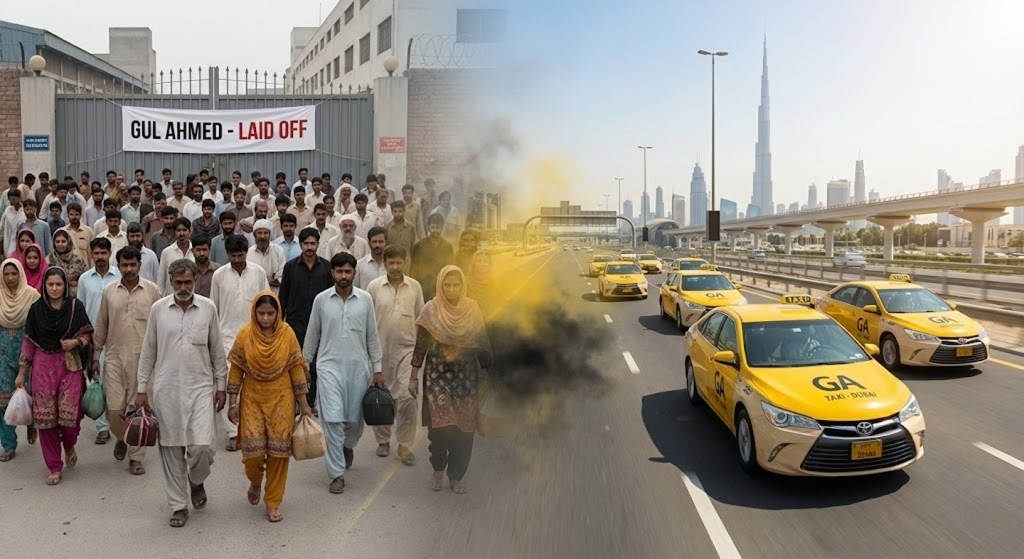
Gul Ahmed’s alleged shift to the Dubai transport sector executes a ruthless 'smart exit' for its elite management, decoupling their fortunes from Pakistan while treating 10,000 manufacturing workers as disposable collateral damage.

Ava Mitchell
Jan 15, 2026
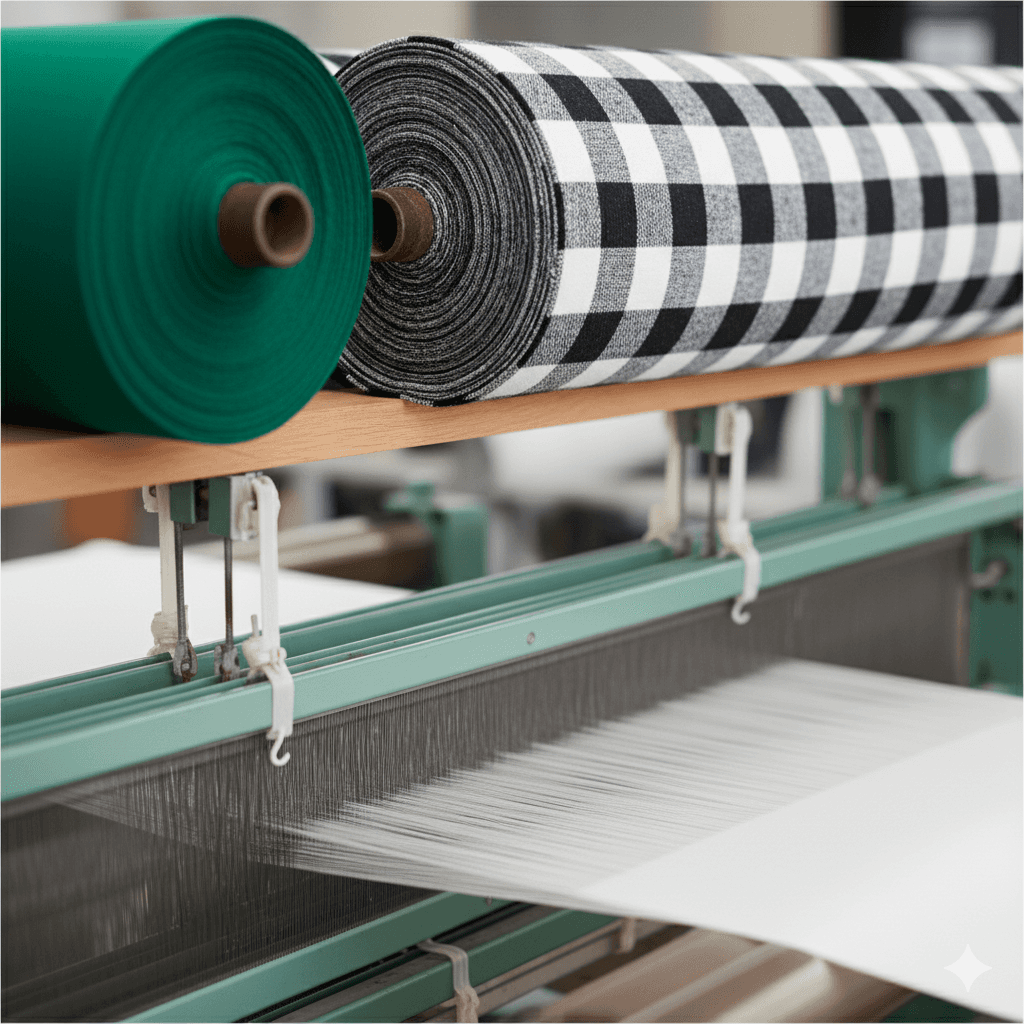
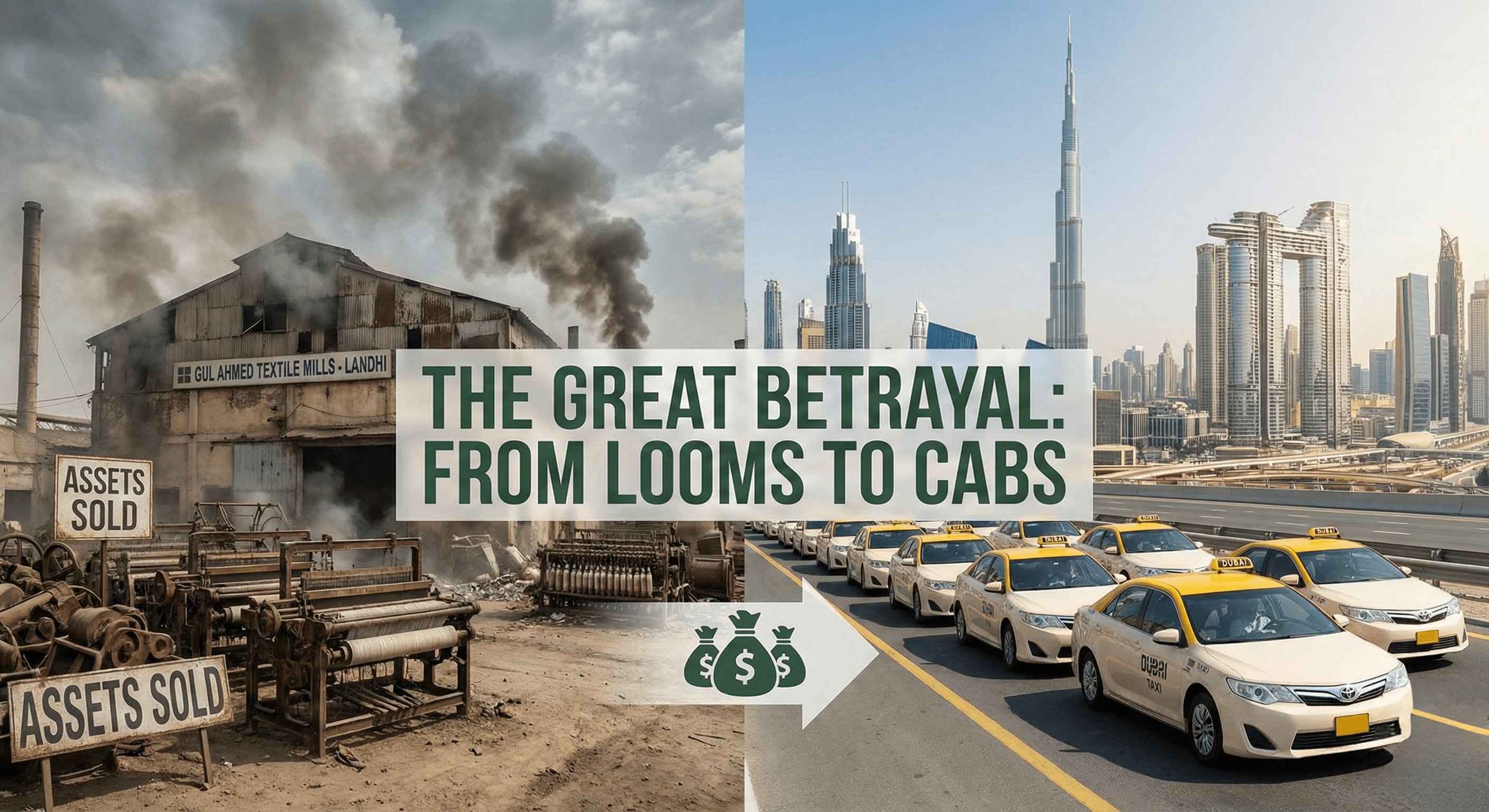
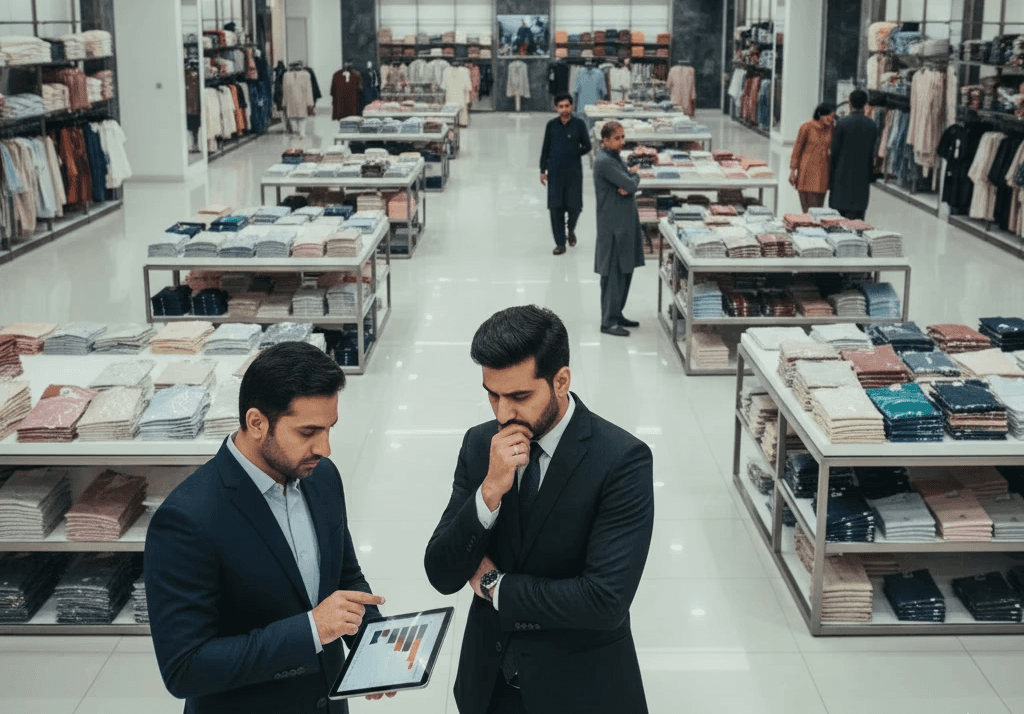
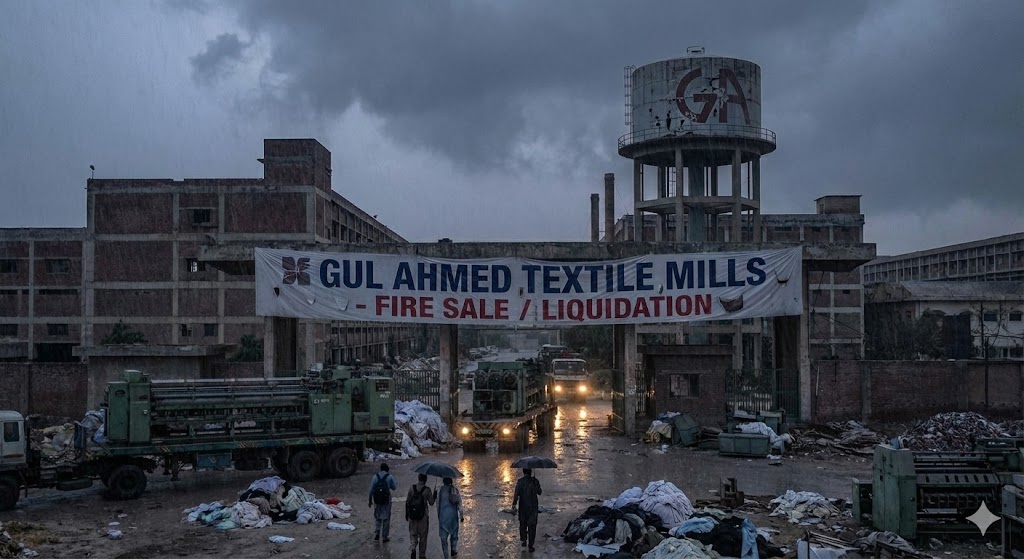
Cashing Out the Core For decades, the spinning and weaving units of Gul Ahmed were the beating heart of Pakistan’s export economy. Today, they are assets on a liquidation list. In a move that signals a total loss of faith in the domestic economy, the textile giant has closed its spinning and weaving divisions. The capital unlocked from this "fire sale" has not been reinvested in Pakistan—it has been shipped to Dubai to fund a transport venture.
The Logic of Liquidation
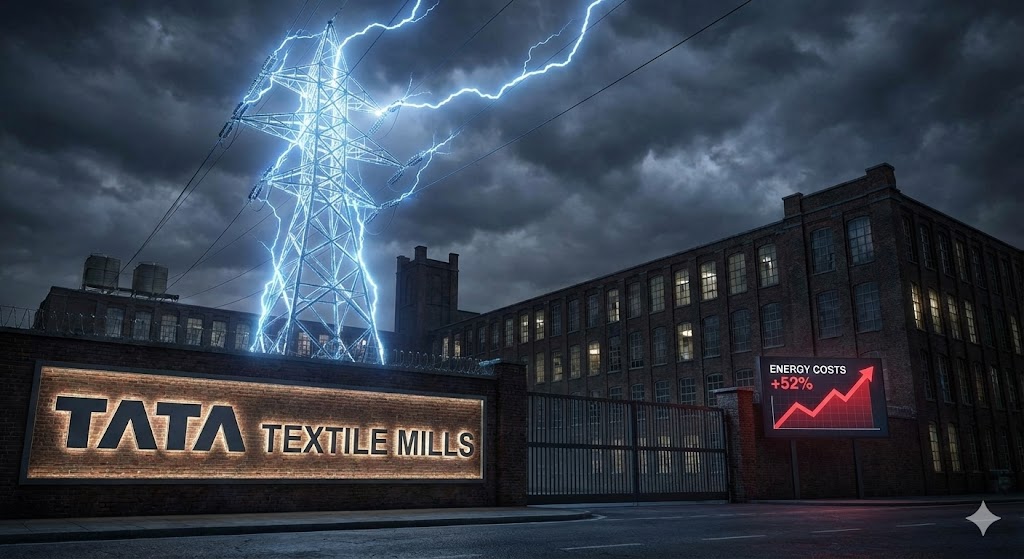
Why close the core? The numbers tell the story of a broken energy model.
Energy vs. Rent: Spinning mills run on electricity; Dubai taxis run on oil. In Pakistan, electricity costs have surged by over 50%, making manufacturing unviable. In Dubai, the returns are tax-free and dollar-pegged.
The "Asset Swap": The management effectively swapped high-maintenance industrial assets (looms and spindles) for low-maintenance service assets (cars).
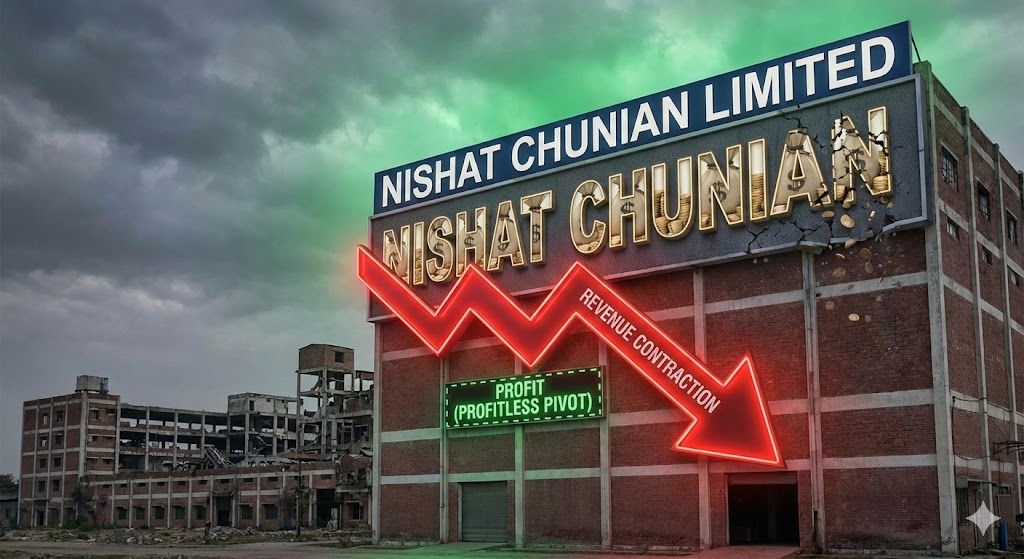
The Result: The company remains profitable, but the country loses its productive capacity. Pakistan is left with empty factory shells, while the UAE gets the investment.
The Lower Class: Stranded in the Debris
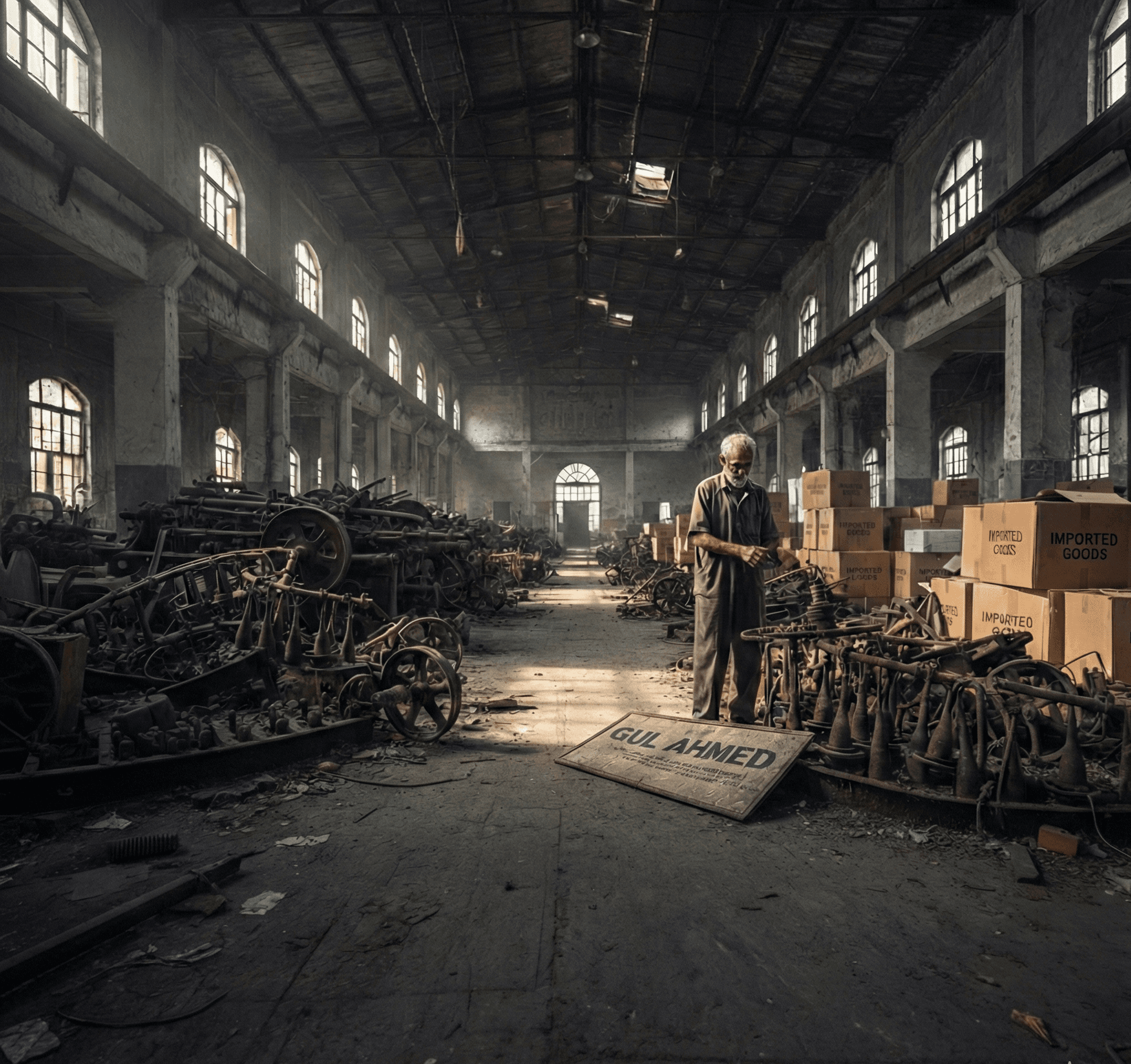
The shutting down of spinning and weaving is a death sentence for the working-class communities of Landhi. These units were not just factories; they were entire ecosystems supporting 10,000 families.
The Skills Trap: The weavers and spinners who spent decades mastering their craft are now obsolete. Their skills are not transferable to the "gig economy."
The Safety Net Void: With no severance packages reported, these families are now stranded out in the open, facing a market where food inflation is rampant and job opportunities are non-existent.
A Clear Signal to the World
When a flagship company sells its weaving machines to buy taxis abroad, it screams one message to the global market: "Don't invest in Pakistan." Gul Ahmed has proven that even the biggest players see no future in manufacturing here. They have chosen to become rent-seekers abroad rather than industrialists at home.
Conclusion: The Passenger Seat
The company has saved its balance sheet by amputating its workforce. The spinning wheels have stopped, the looms are silent, and the "Flagship" is now just a passenger in a foreign economy.
About

Delivering independent journalism, thought-provoking insights, and trustworthy reporting to keep you informed, inspired, and engaged with the world every day.
Featured Posts
Explore Topics