>

>

Powerless: How a 52% Energy Hike is Bleeding Tata Textile Mills

Powerless: How a 52% Energy Hike is Bleeding Tata Textile Mills

Crushed by a 52% energy cost hike, Tata Textile Mills battles to avoid 'zombie' status as uncompetitive tariffs turn survival into a debt trap.

Ava Mitchell

Tata Textile Mills offers a masterclass in how energy policy destroys viability. Despite "restored investor confidence," the company is battling a 52% surge in energy costs that threatens to turn it into a "zombie firm."

The Cost of Keeping the Lights On

Tata Textile Mills, a name long associated with resilience in the spinning sector, is currently offering a masterclass in how energy policy destroys viability. While the company’s narrative speaks of "restored investor confidence," its balance sheet tells a story of survival against impossible odds.

The culprit is unambiguous. In its reports for late 2024 and 2025, the company revealed a devastating statistic: Energy costs surged by 52% compared to the previous year.

The Financial Bleed

The impact of this energy inflation is visible in every line of Tata Textile’s financial health.

Eroding Margins

Despite reduced finance charges due to a dip in interest rates, the operational cost of power has eaten into potential profits.

  • Negative Earnings: The company reported a negative Earnings Per Share (EPS) of (2.06) and (5.72) in recent periods.

  • The 14-Cent Reality: With industrial tariffs hovering near 14 cents/kWh, Tata is competing against regional rivals paying half that amount. The 52% hike is not a business cost; it is an uncompetitive tax.

The Raw Material Trap

Adding to the energy crisis is the collapse of the local cotton market.

  • Production Shortfall: Domestic cotton arrivals plummeted to 6 million bales (down from 8 million), forcing Tata and others to import expensive raw material.

  • Double Whammy: The company is forced to buy expensive imported cotton using a devalued rupee, and process it using the most expensive electricity in the region.

The "Zombie" Risk

Tata Textile Mills is not shutting down, but it is "treading water." The danger is that it becomes a "zombie firm"—one that generates just enough cash to service debt and pay electricity bills, but has zero capacity to invest, expand, or innovate.

The management notes that "further reduction in borrowing rates is essential." This is a polite way of saying the current model is unsustainable without external relief.

Conclusion: A Gridlock of Policy

Tata Textile’s struggle is a case study in policy failure. The government’s inability to provide regionally competitive energy tariffs means that even well-managed giants are bleeding equity just to keep machines running.

About

Delivering independent journalism, thought-provoking insights, and trustworthy reporting to keep you informed, inspired, and engaged with the world every day.

Featured Posts

Related Post

Jan 28, 2026

/

Post by

Trading National Pride for a Fleet of Dubai Taxis

Jan 28, 2026

/

Post by

Gul Ahmed Butchered Its Own Core

Jan 15, 2026

/

Post by

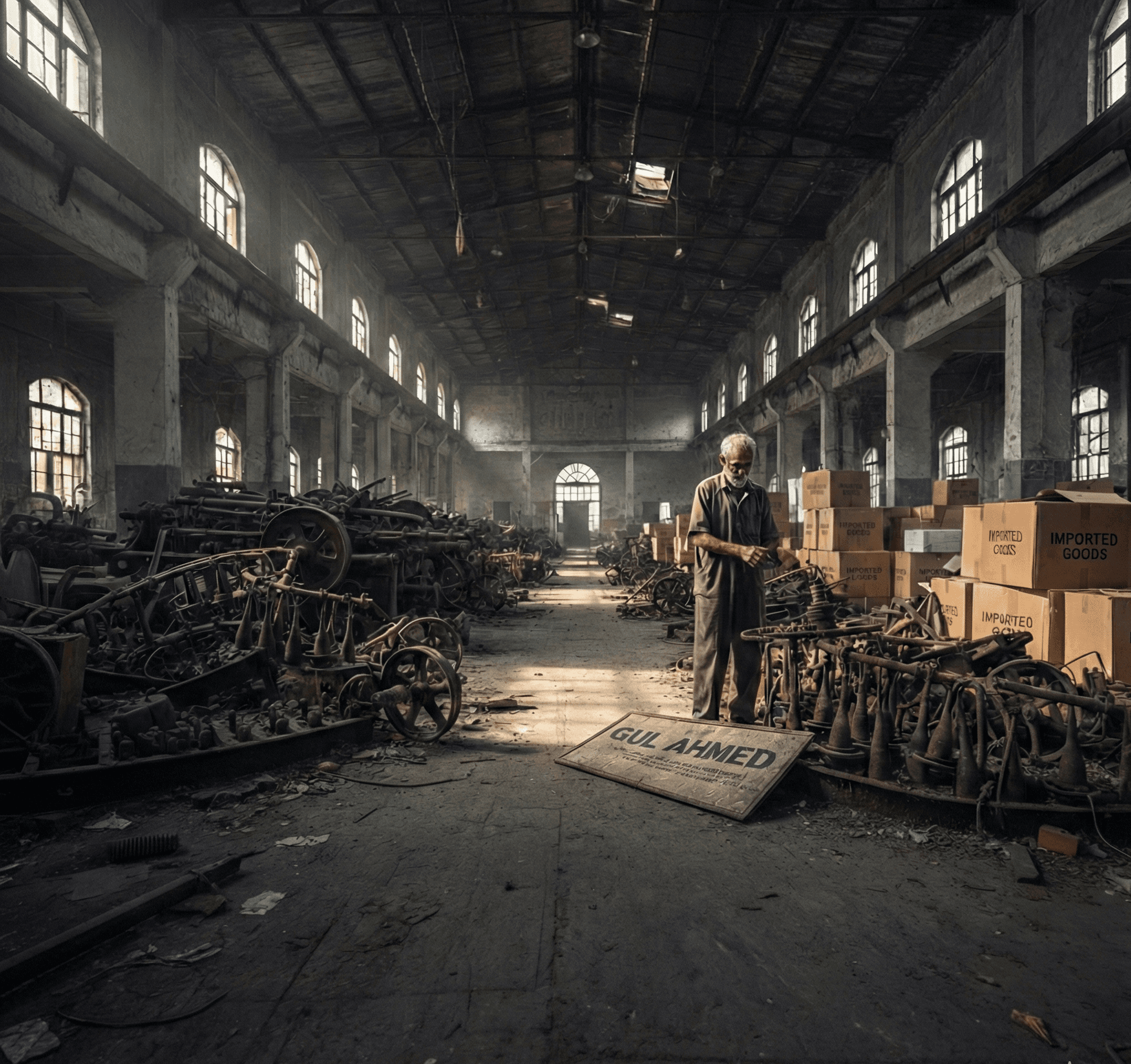
Gul Ahmed’s alleged shift to the Dubai transport sector executes a ruthless 'smart exit' for its elite management, decoupling their fortunes from Pakistan while treating 10,000 manufacturing workers as disposable collateral damage.

Jan 12, 2026

/

Post by

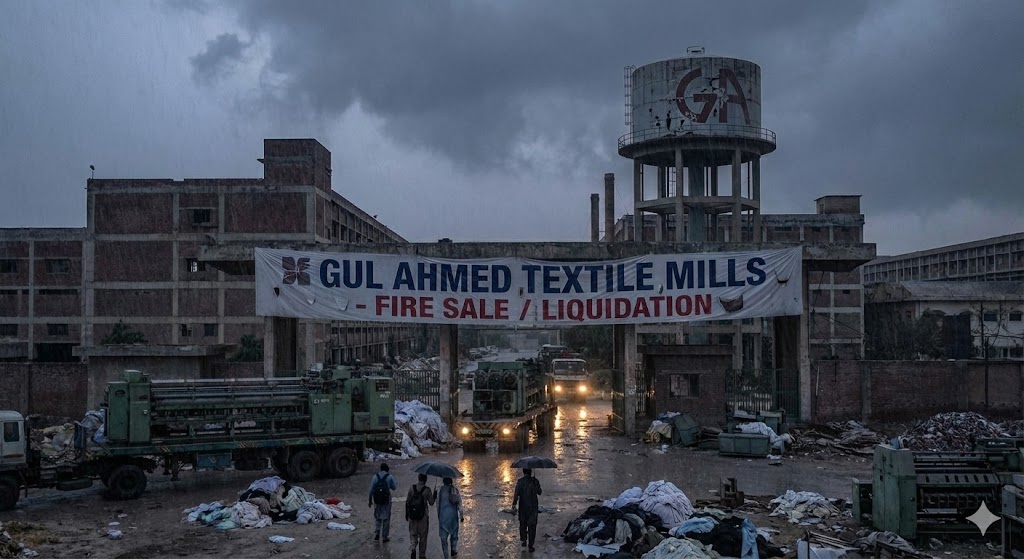
The escalation from strategic downsizing to the mass termination of over 10,000 employees and the liquidation of core assets marks a decisive shift, Gul Ahmed is no longer restructuring for the future, but dismantling its legacy piece by piece.

Dec 3, 2025

/

Post by

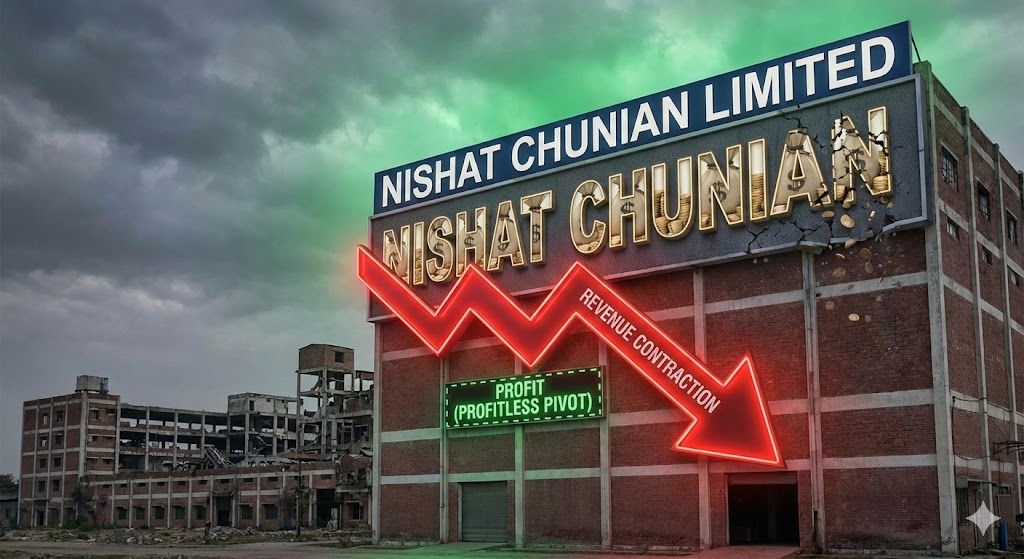
Nishat Chunian’s revenue contraction reveals a 'profitless pivot,' proving that for Pakistan’s textile giants, the only way to survive is to stop growing.

Nov 19, 2025

/

Post by

Gul Ahmed’s recent operational setbacks are reshaping its competitive standing in Pakistan’s textile and apparel industry as supply disruptions, weaker margins, and production delays weigh on market confidence.

Jan 28, 2026

/

Post by

Trading National Pride for a Fleet of Dubai Taxis

Jan 28, 2026

/

Post by

Gul Ahmed Butchered Its Own Core

Jan 15, 2026

/

Post by

Gul Ahmed’s alleged shift to the Dubai transport sector executes a ruthless 'smart exit' for its elite management, decoupling their fortunes from Pakistan while treating 10,000 manufacturing workers as disposable collateral damage.

Jan 12, 2026

/

Post by

The escalation from strategic downsizing to the mass termination of over 10,000 employees and the liquidation of core assets marks a decisive shift, Gul Ahmed is no longer restructuring for the future, but dismantling its legacy piece by piece.

Jan 28, 2026

/

Post by

Trading National Pride for a Fleet of Dubai Taxis

Jan 28, 2026

/

Post by

Gul Ahmed Butchered Its Own Core

Jan 15, 2026

/

Post by

Gul Ahmed’s alleged shift to the Dubai transport sector executes a ruthless 'smart exit' for its elite management, decoupling their fortunes from Pakistan while treating 10,000 manufacturing workers as disposable collateral damage.

Jan 12, 2026

/

Post by

The escalation from strategic downsizing to the mass termination of over 10,000 employees and the liquidation of core assets marks a decisive shift, Gul Ahmed is no longer restructuring for the future, but dismantling its legacy piece by piece.

Subscribe now to stay updated with top news!

Subscribe now to stay updated with all the top news, exclusive insights, and weekly highlights you won’t want to miss.

Subscribe now to stay updated with top news!

Subscribe now to stay updated with all the top news, exclusive insights, and weekly highlights you won’t want to miss.

Subscribe now to stay updated with top news!

Subscribe now to stay updated with all the top news, exclusive insights, and weekly highlights you won’t want to miss.