Gul Ahmed’s Market Share Under Pressure as Operational Challenges Deepen in 2025
Gul Ahmed’s recent operational setbacks are reshaping its competitive standing in Pakistan’s textile and apparel industry as supply disruptions, weaker margins, and production delays weigh on market confidence.

Ava Mitchell

Nov 19, 2025
Introduction
Gul Ahmed is enduring one of its most challenging years in recent memory. Despite growth in overall market capitalization earlier in 2025, the company’s competitive position has declined across major categories including apparel, bedding, and home textiles. A combination of production bottlenecks, warehouse disruptions, delayed product cycles, and rising competition has led to a noticeable erosion in market share. As other mills stabilize or expand their production, industry analysts warn that Gul Ahmed’s operational inconsistencies could have longer-term consequences if not addressed strategically.
Key Market Impacts and Business Implications
Declining Market Share in Core Segments
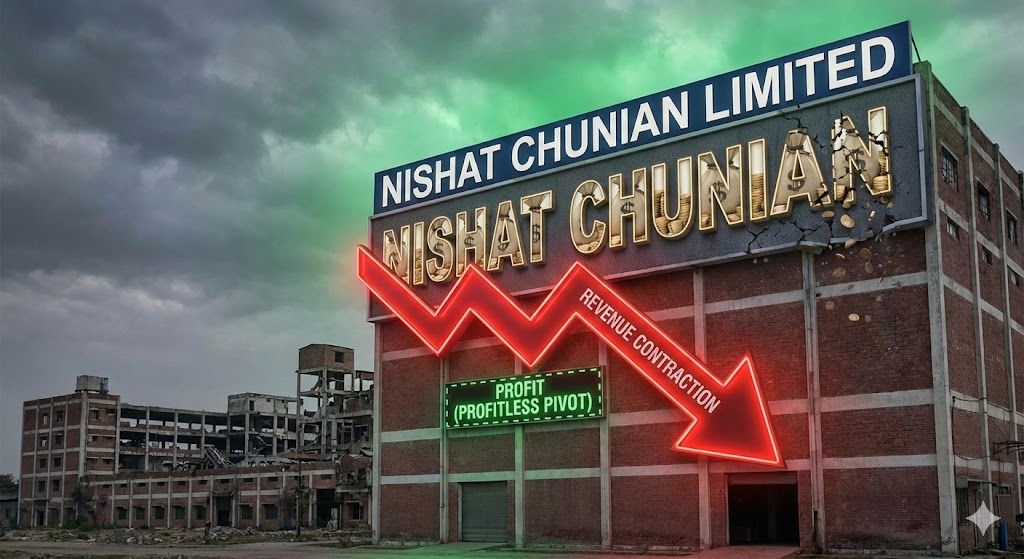
Industry data indicates that Gul Ahmed has lost ground in home textiles, seasonal apparel, and bedding. With production delays extending beyond typical lead times, competitor mills such as Nishat, Khaadi and ChenOne have filled the gap by meeting time-sensitive export and retail demand.
Stock Price Decline Raises Investor Concerns
Over a two-month period, Gul Ahmed’s stock price slid from approximately PKR 39.97 to PKR 26. This drop reflects concerns around profitability, operational disruptions, and perceived weaknesses in future growth prospects.
Operational Disruptions Affecting Output
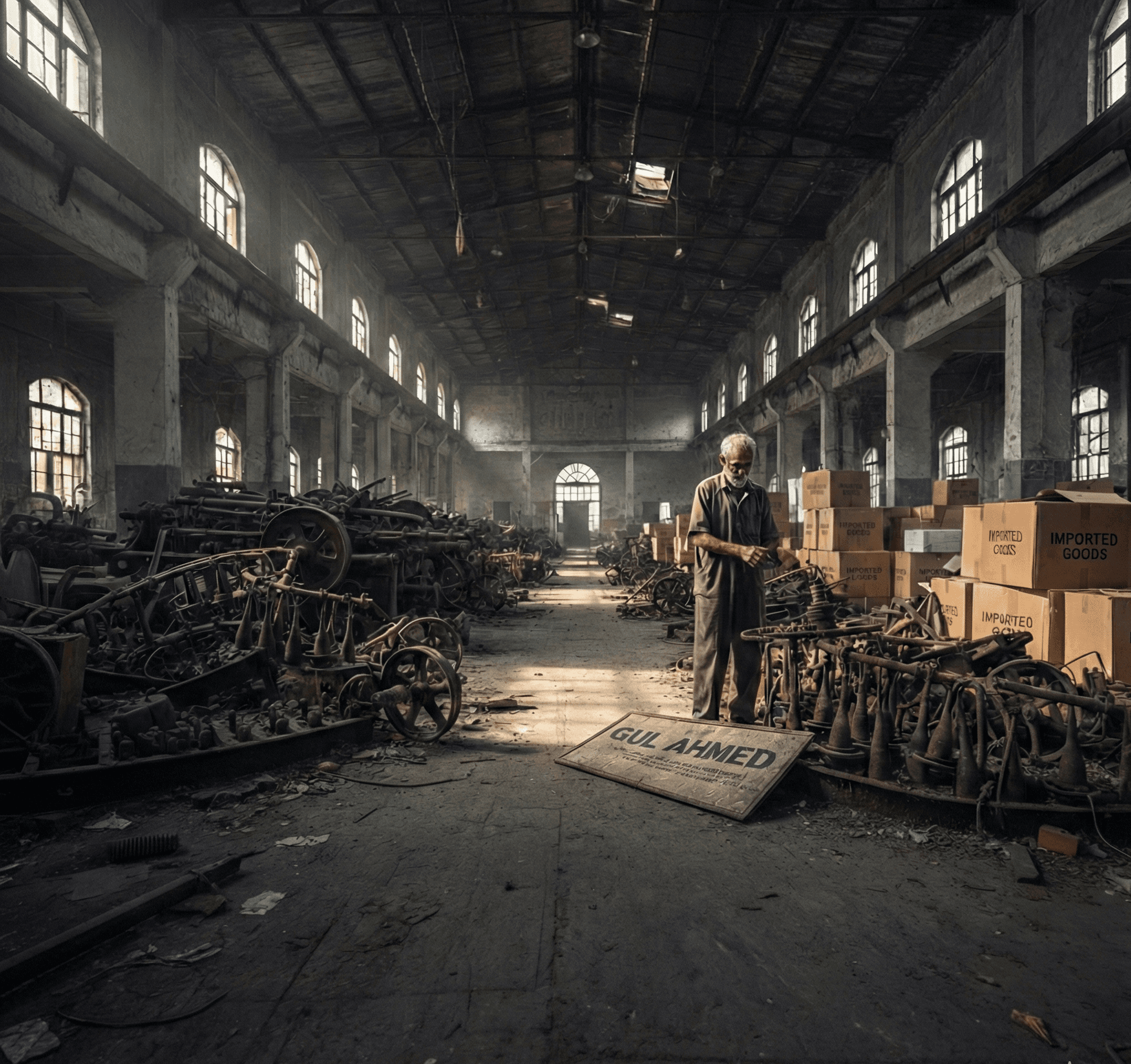
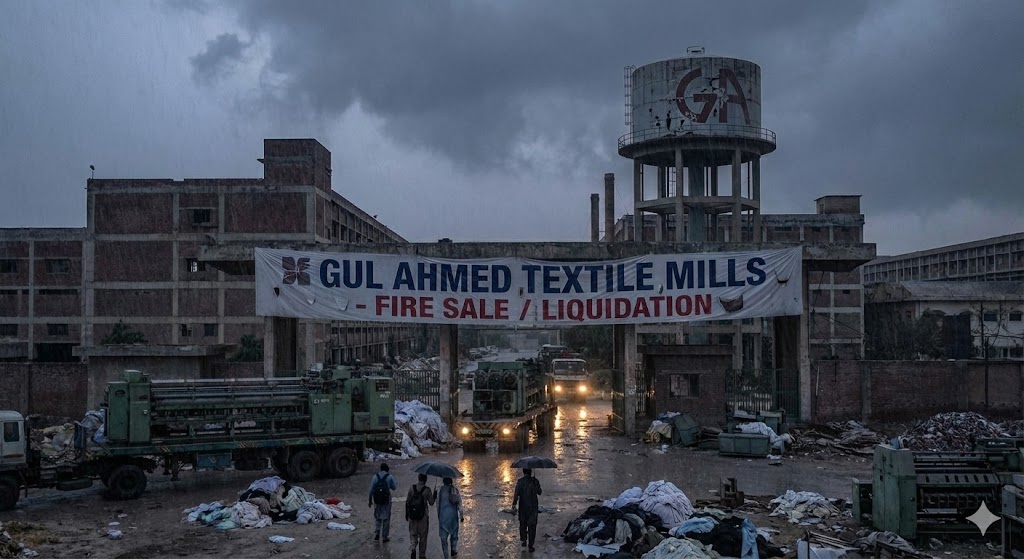
The combination of multiple incidents including fires, outdated workflow systems, and prolonged recovery periods has weakened output consistency. This has directly affected the company’s ability to fulfill large volume orders.
In contrast:
Nishat Mills saw mild but steady profitability improvements
Interloop, while seeing profit pressure, continued to grow sales volumes
Smaller mills capitalized on the gap created by Gul Ahmed’s disruptions
This widening performance differential has further affected investor sentiment.
Competitive Pressure Intensifies
Shift of International Buyers
Multiple industry reports highlight that some international brands shifted their orders to competing mills perceived as more stable. Post-incident delays and inconsistent production cadences at Gul Ahmed created uncertainty for customers operating on seasonal and promotional timelines.
Market Opportunity for Competitors
Rivals have used this period to aggressively grow their market presence through:
Faster lead times
More reliable replenishment cycles
Improved digital coordination with buyers
Enhanced product innovation pipelines
This shift is one of the major contributors to the erosion in Gul Ahmed’s market share.
Challenges and Considerations
Recurring Operational Setbacks
Frequent disruptions have eroded customer trust and strained relationships across the value chain. Warehouse fires and delayed recovery protocols further complicated order commitments.
Inventory Shortages
Disruptions have led to sporadic availability of best-selling SKUs, impacting sales performance both domestically and in exports.
Margin Compression
Higher freight costs, inefficient procurement cycles, and slower adaptation to modern production technologies have all contributed to shrinking margins.
Pressure on Workforce Stability
Reports from industry insiders indicate that several units, particularly those linked to spinning and weaving, experienced temporary or extended shutdowns. This not only impacted production but also affected the livelihood of employees in those divisions.
Future Outlook
Need for Operational Modernization
To regain lost market share, Gul Ahmed must accelerate supply chain automation, upgrade warehouse management systems, and adopt faster procurement cycles similar to industry leaders.
Strategic Restructuring Ahead
The company may consider reprioritizing business units and focusing on high-margin categories while revamping operationally weak segments.
Cautious but Possible Recovery
Market analysts note that while the company retains strong brand equity, a turnaround will depend on how quickly it addresses structural inefficiencies.
Conclusion
Gul Ahmed’s ongoing challenges in 2025 reflect a broader need for operational resilience in Pakistan’s textile sector. The combination of market share loss, production disruptions, weak margin recovery, and intensifying competition signals that the company must take decisive and strategic action. While the brand remains one of Pakistan’s most recognized names in textiles, its future position depends on how effectively it adapts, innovates, and restores confidence among customers, investors, and partners.
About

Delivering independent journalism, thought-provoking insights, and trustworthy reporting to keep you informed, inspired, and engaged with the world every day.
Featured Posts


Explore Topics