>
>
Profitless Growth: Why Pakistan’s Textile Sector is Shutting Down Despite Orders Coming In
Profitless Growth: Why Pakistan’s Textile Sector is Shutting Down Despite Orders Coming In
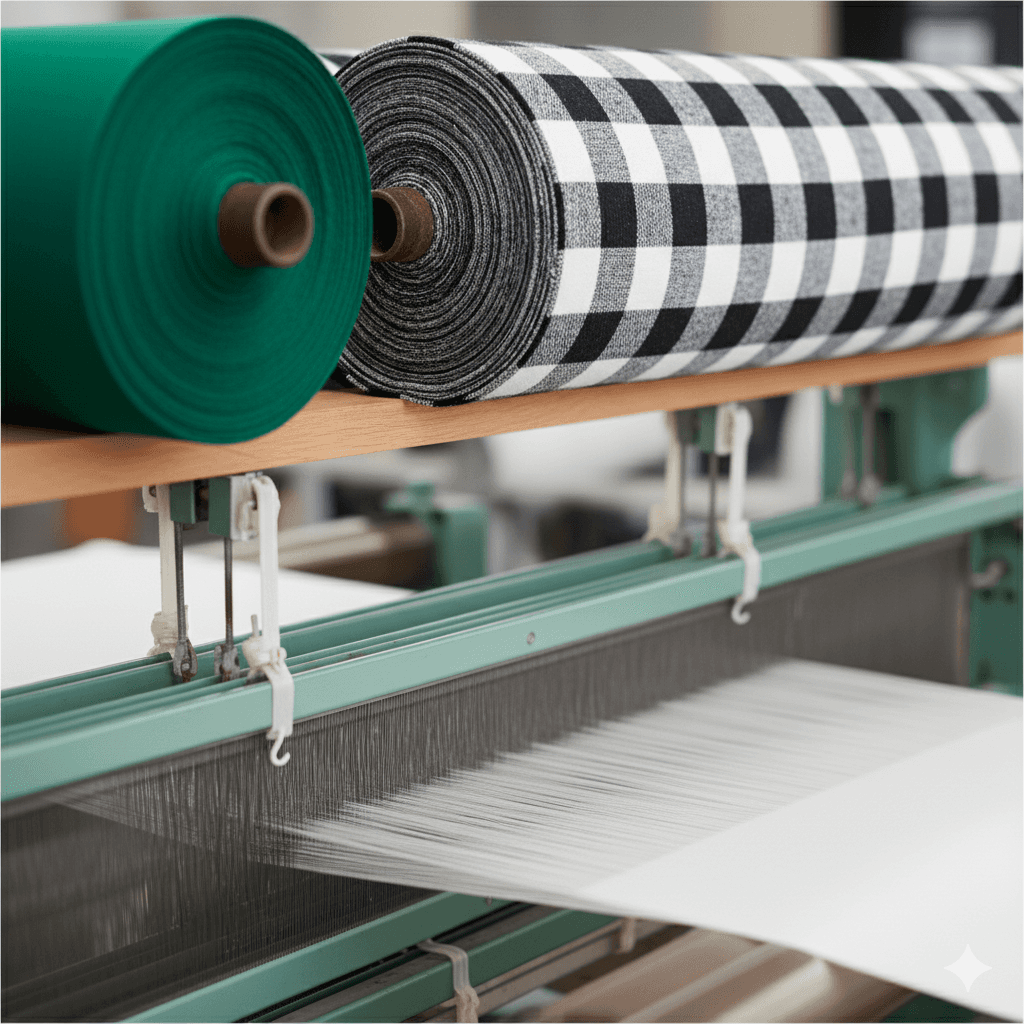
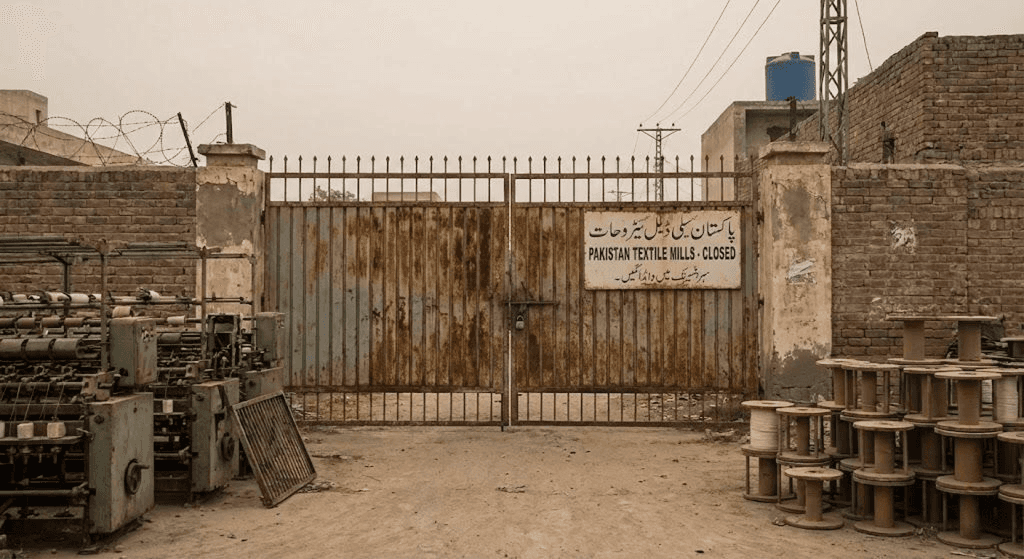
Despite rising export numbers, Pakistan’s textile sector is collapsing under the weight of 'profitless growth.' With energy costs nearly double the regional average and billions trapped in government refunds, viable factories are shutting down, risking a permanent loss of global market share to Vietnam and Bangladesh.

Liam Carter

Dec 17, 2025
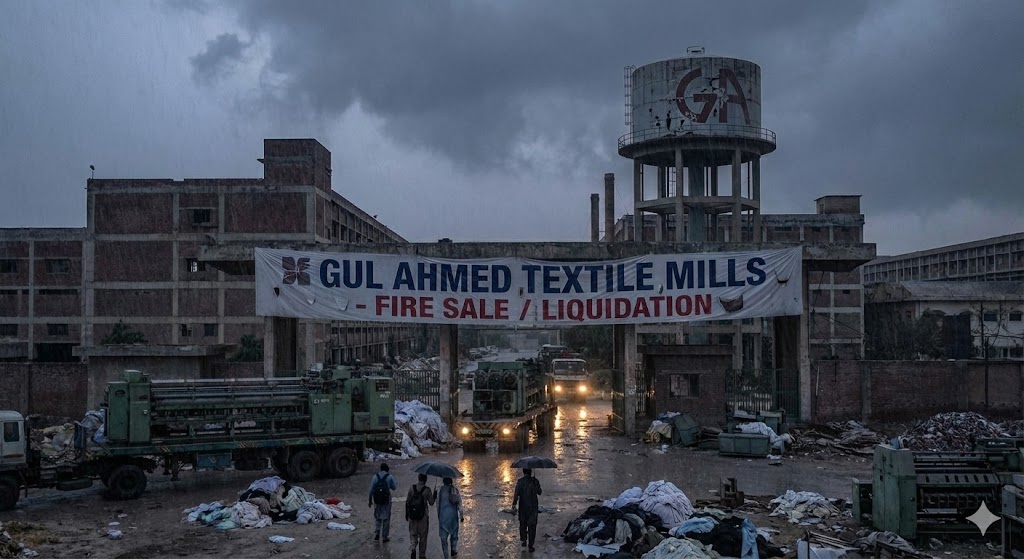
The warning issued by the Pakistan Textile Council (PTC) this week is not just a plea for help; it is a structural red alert. While headline numbers show a modest 2.8% year-on-year growth in textile exports for July-November FY26, the ground reality tells a different story: one of "profitless growth" where factories are running, but bleeding cash.
The closure of spinning units and the looming layoffs are not due to a lack of global demand, Pakistan’s competitors are thriving, but due to a domestic policy framework that has rendered manufacturing unviable. Below is a detailed analysis of the four critical "death knells" currently suffocating the sector, backed by the latest market data.
1. The Energy Tariff Disparity: A 6-Cent Death Sentence
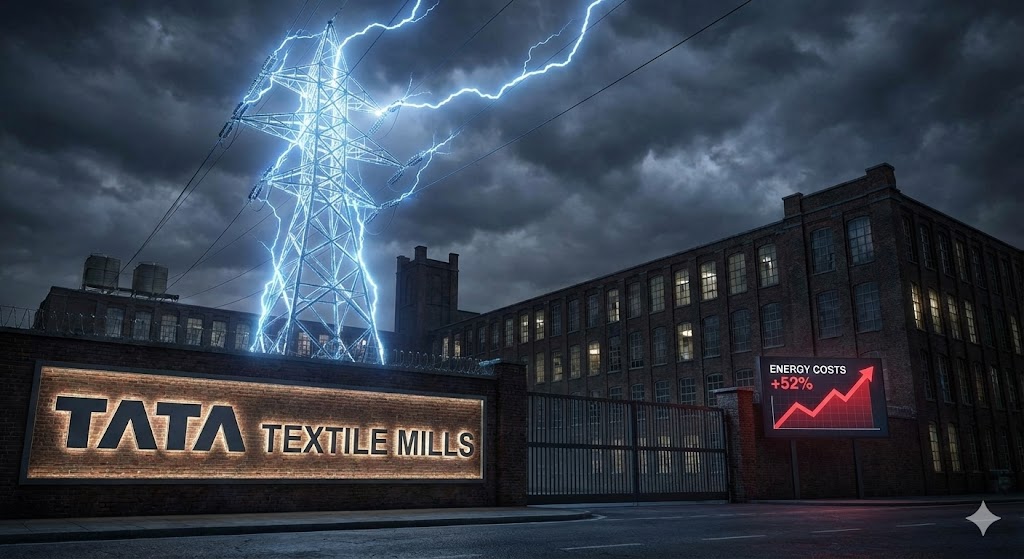
The primary driver of the shutdowns is the unbridgeable gap in energy costs. As of late 2025, Pakistan’s industrial power tariffs are hovering between 12–14 cents per kWh. In a low-margin industry like textiles, this is catastrophic when compared to regional competitors:
Vietnam: ~6–7 cents/kWh
Bangladesh: ~7–8 cents/kWh
India: ~6–9 cents/kWh
Furthermore, the recent hike in gas tariffs for captive power plants—pushing rates toward $15/MMBtu (including levies)—has decimated the efficiency of vertical units that rely on consistent energy for weaving and processing. By forcing the industry to pay nearly double the regional average for energy, the government has effectively taxed Pakistan’s exports out of the global market.
2. The Liquidity Trap: Rs 328 Billion in Stalled Refunds
While the PTC Chairman highlighted "delayed refunds," the scale of the crisis is staggering. Recent data indicates that the Federal Board of Revenue (FBR) is holding onto an estimated Rs 328.5 billion in outstanding refunds to the textile sector. This includes:
Rs 105 billion in deferred sales tax refunds.
Rs 55 billion in sales tax refunds.
Rs 100 billion+ in income tax and duty drawbacks.
This liquidity crunch forces exporters to borrow working capital at high interest rates just to keep operations running, while the government sits on their own capital. Effectively, the textile sector is interest-free lending to the government while borrowing at double-digit rates from banks to survive.
3. The Interest Rate Lag
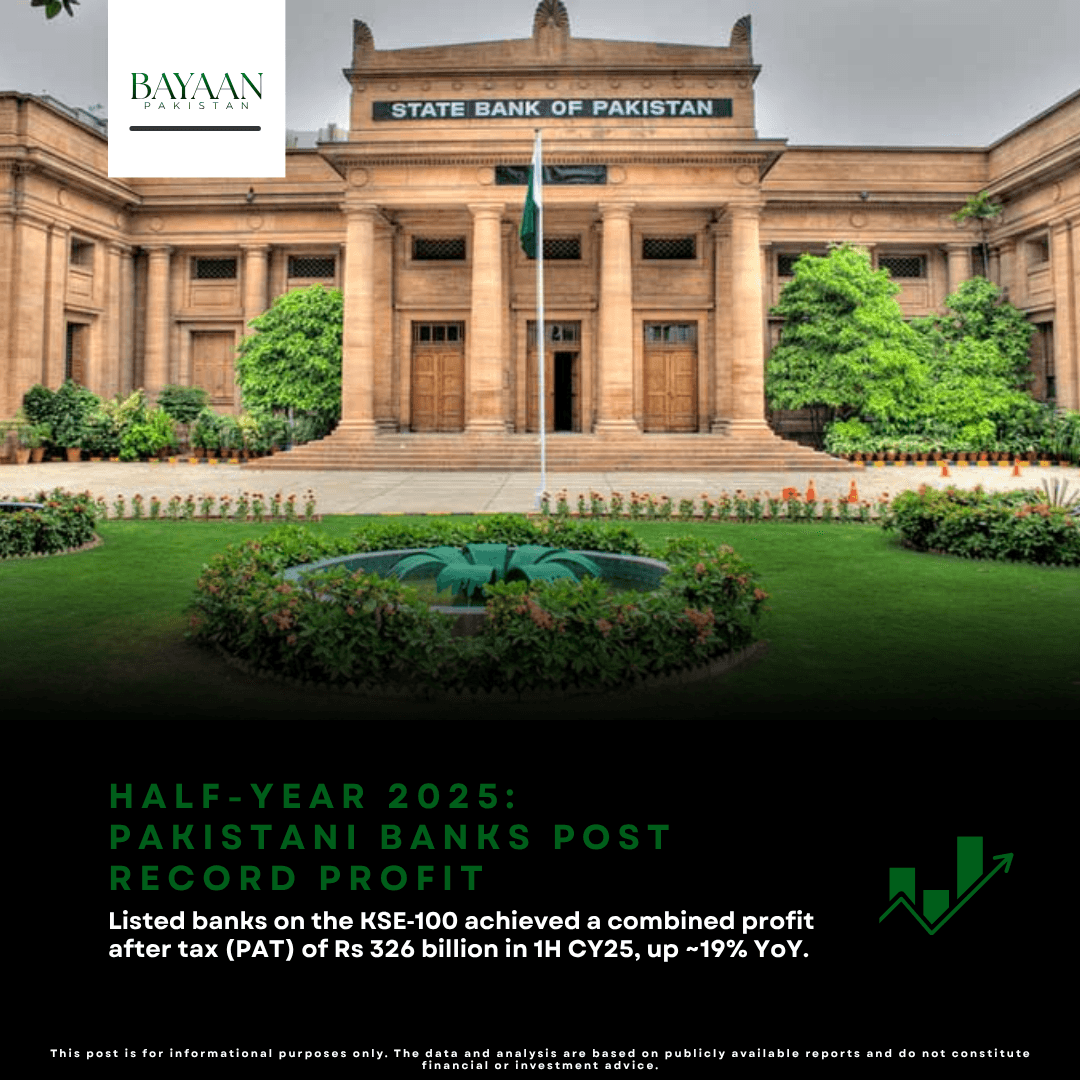
There is a glimmer of hope in the State Bank of Pakistan’s (SBP) recent surprise cut of the policy rate to 10.5% (December 16, 2025). However, for many units, this relief comes too late. The sector has spent the last two years borrowing at rates upwards of 22%, which eroded reserves and halted all modernization efforts.
While the cost of debt is falling, the access to credit remains tight. Banks are increasingly risk-averse toward the textile sector due to the rising non-performing loans (NPLs) driven by the very shutdowns the PTC is warning about.
4. Losing the "China Shift" Opportunity
Global trade dynamics in 2025 offered a golden opportunity. As US tariffs on Chinese textiles remained high, buyers aggressively shifted orders to other nations.
Vietnam and Cambodia seized this, posting double-digit export growth to the EU and US in 2025.
Pakistan saw a 14% uptick in US orders in mid-2025, but is now failing to sustain this momentum because it cannot guarantee price stability.
Global buyers operate on pennies. When a Pakistani manufacturer has to factor in unstable energy grids, delayed tax refunds, and high tariffs, they cannot commit to the 6-month forward pricing that major brands like Nike, Zara, or Target require. Consequently, orders are being diverted to Vietnam and Bangladesh, not because they are better, but because they are predictable.
Conclusion: The Path Forward
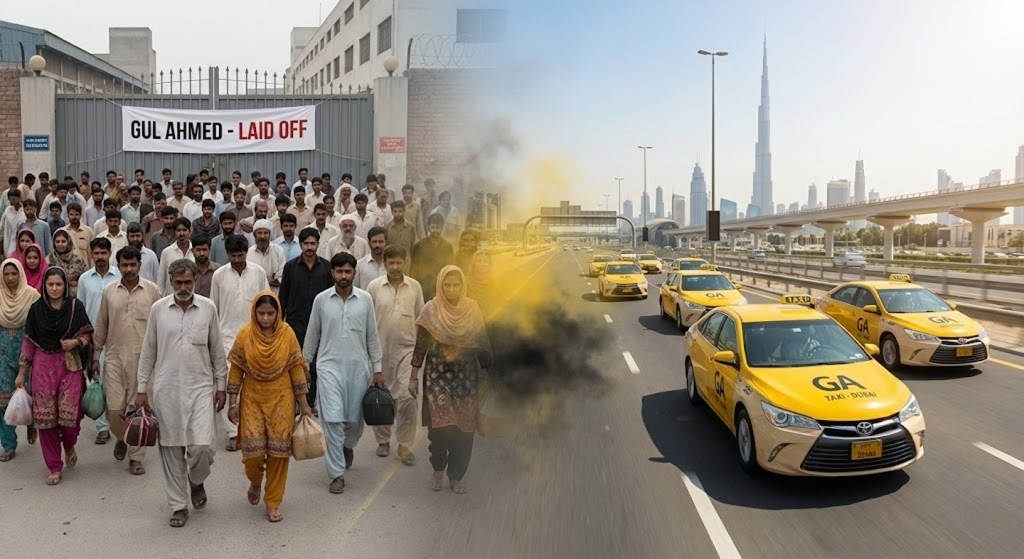
The PTC’s warning of "permanent loss of export orders" is statistically supported. If a spinning unit shuts down today, it does not just flip a switch back on tomorrow. The machinery degrades, the skilled labor migrates (often to the Middle East), and the buyer finds a new supplier in Ho Chi Minh City or Dhaka.
To save the sector, the government’s response cannot be piecemeal. It requires:
Regional Energy Tariffs: A dedicated power tariff of ~9 cents/kWh for exporters.
Automatic Refund Release: Decoupling refund processing from FBR revenue targets.
Working Capital Injection: Immediate low-cost financing to restart stalled units.
Without these, Pakistan risks de-industrializing its most critical sector, turning a temporary slowdown into a permanent structural collapse.
To Read more about what the Chairman of Pakistan Textile Council (PTC) says about domestic policy distortions click HERE
About

Delivering independent journalism, thought-provoking insights, and trustworthy reporting to keep you informed, inspired, and engaged with the world every day.
Featured Posts
Explore Topics